


How Ponako works

Ask a question.
A spare computer answers.

Ponako finds a working computer with the model you want, sends your question, and bills you in dollars for what it used.

A drawn room on paper: someone leaving, the computer still on in the unused hour
01 / Ask

Bring a question.

Sign up with an email and a password. Ponako gives you a little credit first, so you can ask before you add a card.

What happens next?

Ponako finds a working computer with your model. It sends the question with obvious personal details removed. The answer appears word by word. Ponako keeps an encrypted record of the question and the answer.
02 / Share

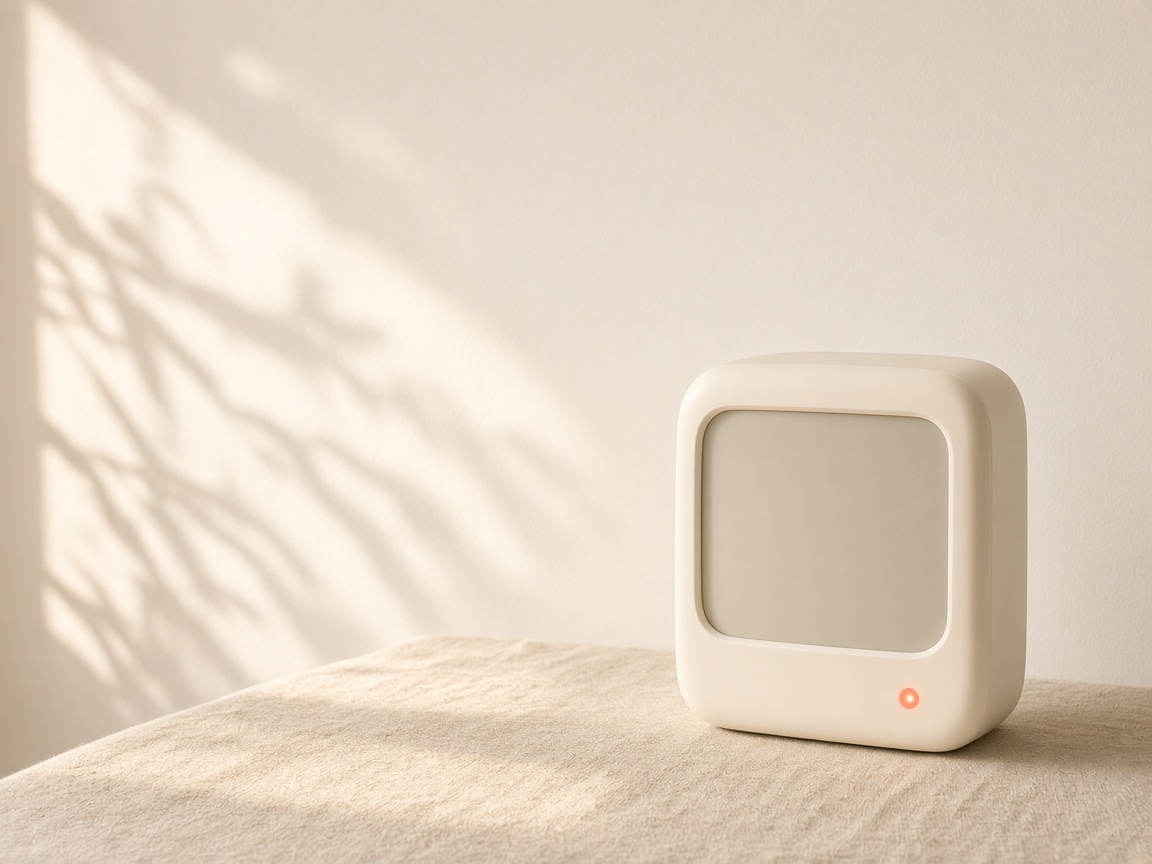
Bring a computer.

Run one command on a Linux NVIDIA machine. The first download is about 16 GB. On Windows, only if Ollama is already running. Close the lid and the box drops off. It then asks Ponako for work. Every call starts from your computer, and nothing connects into your home.

curl -fsSL https://ponako.com/install.sh | bash
You stay in control.

See what Ponako found. Choose when the computer works. Pause it any time. You keep 85% of completed work.

03 / Match

Ponako picks the right computer.

For every question, Ponako checks the model, the price, and that the computer is working right now. It picks the cheapest one that answers. If one fails mid-question, Ponako quietly tries another.

See the live market →
04 / Check

You can see the proof.

What a buyer gets: every finished job comes with a record you can open and read. What the computer's owner promises: the approved model stays on the machine and answers fresh spot-checks while it works. The honest limit: the computer answering you still sees your question. The checks prove the model is the approved one, not that the operator is blind.

For important answers

You can ask a second provider to check the first answer. Ponako shows whether they agreed and the cost of both jobs.

05 / Settle

Small, plain economics.

Buyers pay in dollars and see the cost after each answer. Providers keep 85%. Ponako keeps 15% for routing, metering, checks, billing, and payouts. No tokens, no cryptocurrency.

That is the whole deal: ask a question like you'd order a pizza, and a spare computer earns while its owner is away.

Try Ponako
A torn receipt with one coral line, drawn on paper